
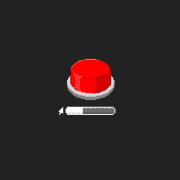
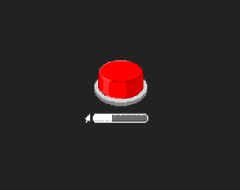






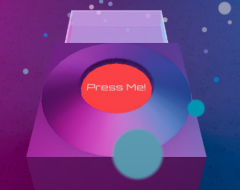




The first click in Press the Button is only the beginning of a much larger incremental system. Pressing the central button generates progress, but manual clicking soon becomes inefficient. Resources can be spent on upgrades and helpers that press the button automatically, gradually transforming a simple one-button task into a management game involving production, abilities, and permanent progression systems.
Building an Automatic Button Crew
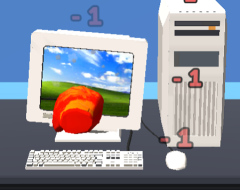
Cursors are among the first ways to automate production, periodically pressing the button without player input. Goblins provide another source of presses by running across the screen and jumping onto the button, although their stamina and recovery affect how often they can work. As more systems become available, the player can improve these helpers and increase the amount of progress generated without relying entirely on direct clicks.
Progress eventually expands beyond basic clicking and purchasing. Mana, spells, goblins, the Hermit, meteors, Dark Rituals, mystery boxes, and other mechanics begin interacting with one another. Efficient advancement becomes a matter of deciding which systems deserve resources and when it is better to improve production rather than simply buying another level of the same upgrade.
More Than Repeated Clicking
Important parts of the progression include:
· manually pressing the main button for early resources;
· buying cursors that press automatically;
· summoning and improving goblins;
· developing mana-related abilities;
· using spells such as Meteor and Dark Ritual;
· collecting special resources including Time Crystals and Gobocoins;
· unlocking talents that change how different systems perform.
The balance changes as new mechanics become stronger. A strategy that works early may become inefficient later, encouraging the player to reorganize upgrades and focus on different sources of production. Some abilities improve resource income, while others affect goblins, spells, automatic presses, or the speed at which another progression layer can be reached.
Resetting the Universe
Ragnarok introduces a major reset system. After charging it sufficiently, the player can sacrifice most current progress in exchange for Ragnarok Points. These points increase resource generation and unlock additional talents, making subsequent runs considerably faster. Certain currencies, statues, permanent upgrades, and other specified resources survive the reset, so starting over is actually another form of advancement.
Press the Button therefore develops from repetitive manual clicking into a layered idle game where automation, spells, resets, and upgrades continually increase the scale of production. The goal is not simply to press faster, but to build systems that can do increasingly more of the work on their own.
