















Press X to Operate turns heart surgery into a sequence of fast one-button minigames. Every procedure is controlled with the X key, but the action performed by that button changes from one stage of the operation to another. The player must complete each task accurately enough to keep the patient alive, finish the transplant, and earn money. Later patients increase the difficulty, so recognizing what the current minigame expects becomes increasingly important.
Surgery With One Button
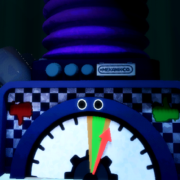
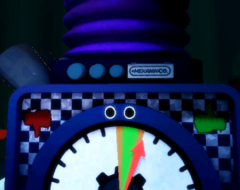
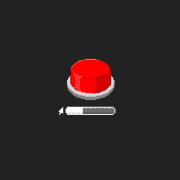
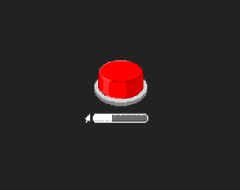
A patient arrives already waiting on the operating table, and the procedure begins with preparations such as administering anesthesia. One challenge requires stopping an indicator inside the correct green section of a meter. Other stages involve choosing the appropriate surgical instrument, making an incision, and dealing with the ribcage before reaching the heart. Despite the changing tasks, all of these actions are adapted to the same single-button control scheme.
The surgical sequence can include:
· timing a press to administer anesthesia correctly;
· choosing the required medical instrument;
· performing an incision through a timing-based challenge;
· dealing with the patient’s ribcage;
· selecting an organ for transplantation;
· making sure the transplanted organ is healthy;
· completing the operation without losing the patient.
Different Minigames, Same Key
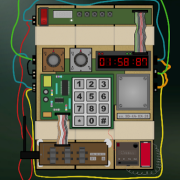
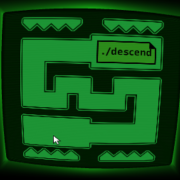
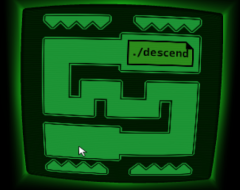
Press X to Operate takes inspiration from WarioWare, so individual tasks are short and demand quick understanding rather than lengthy instructions. One minigame uses rhythm while working on the patient’s ribcage, while another incorporates a crane-style mechanic into the operating room. The player has to determine when a press should be made instead of simply tapping X continuously.
Successful procedures provide money, giving each completed patient a measurable result. More importantly, each new patient makes the surgical challenges harder. Mistakes during individual stages can put the patient at risk, and the organ-selection portion specifically requires choosing healthy organs rather than blindly accepting whatever is available. This keeps the later operations focused on reaction time, timing, and recognizing the rules of each new minigame.
Keeping the Patient Alive
There is no large hospital to explore or complicated set of movement controls. Progress comes from surviving one increasingly difficult operation after another and adapting to the changing tasks performed with X. Press X to Operate continually reuses that single input for different surgical actions, turning anesthesia, cutting, ribcage work, and transplantation into compact reaction challenges where a mistimed press can be more dangerous than having too few controls.
